
One necklace formula covers almost every outfit you own: an anchor chain for durability and comfort, one hero pendant that carries the look, and a single trend touch, like a beaded strand or corded piece, for personality. That’s it. Skip the guesswork about what goes with what.
For materials, lean toward metals that survive daily wear, or a durable, ethical sparkle option like lab-grown moissanite, rather than thin gold plating that flakes off in a season.
- Anchor: a comfortable, durable chain worn close to the collarbone
- Hero: one pendant or focal piece that draws the eye
- Trend touch: a beaded strand, cord piece, or textured chain that keeps things current
From here, we’ll walk through the necklace types worth owning, how to layer them without a mess, the length math that actually works, outfit-by-outfit pairings, and the care habits that keep your pieces looking new.
Key Takeaways
The most reliable everyday necklace strategy pairs one durable anchor chain with a single hero pendant and one rotating trend piece, like beads or cord, on top.
| Point | Details |
|---|---|
| Follow the three-piece formula | Combine an anchor chain, one hero pendant, and one trend touch instead of stacking randomly. |
| Space layers two to three inches apart | Uneven spacing between necklaces prevents tangling and keeps the stack readable. |
| Match length to neckline | Choker lengths suit open necklines; sternum lengths give a hero pendant room to breathe. |
| Choose durable materials | 14k gold or lab-grown moissanite holds up to daily wear far better than thin plating. |
| Build a small capsule, not a drawer full | Two or three versatile necklaces, like Merijaan’s moissanite pieces, cover casual, work, and evening looks with one hero anchor doing most of the work. |
Table of Contents
- Everyday Necklace Types for American Fashion
- How Do You Layer Necklaces Without It Looking Messy?
- What Necklace Length Works Best for Your Outfit?
- How to Pair Necklaces With Casual, Work, and Night Outfits
- Which Materials Hold Up Best for Daily Wear?
- Three Everyday Looks You Can Copy This Week
- Meri Jaan: Craftsmanship Behind Everyday Moissanite Necklaces
- Tips on Personalizing Everyday Necklaces to Suit Individual Style
- Common Styling Mistakes to Avoid When Wearing Necklaces Daily
- What 2026’s Necklace Trends Get Right (and Wrong)
- Where to Find Necklaces Built for This Exact Formula
- Sources
Everyday Necklace Types for American Fashion
Every wardrobe needs a small rotation of necklace styles, each solving a different problem. Delicate chains are the workhorses: thin gold or silver strands that go with a t-shirt as easily as a blazer. Pendant necklaces add a focal point, whether that’s a birthstone, an initial, or a single moissanite drop that catches light without shouting.
Beaded necklaces have moved well past their beachy origins. Vogue’s coverage of the beaded necklace trend points out they’re now a legitimate office-to-weekend option when paired with something more refined, like a slim gold chain underneath. Corded necklaces, in leather, satin, or paracord, made a real comeback too. Elle’s rundown of the corded necklace trend notes they work from swimwear to elevated dinner looks, often starting under $25 for the cord itself. Chokers and collar-length pendants sit higher on the neck and read more formal, good for necklines that need a smaller, tighter accent.
- Delicate chains: the everyday default, versatile with almost anything
- Pendant necklaces: your statement piece, the one people notice
- Beaded strands: trend-forward for 2026, casual but office-adaptable
- Corded necklaces: casual, affordable, surprisingly dressy when styled right
- Chokers/collar pendants: structured, best for higher necklines and dressier days
Fine gold chains remain the one style that never ages out of fashion, which is exactly why they anchor the formula.
How Do You Layer Necklaces Without It Looking Messy?
Layering has a rhythm, and once you know it, you stop second-guessing every morning. Start with your anchor chain, the shortest, closest to your neck. Add your hero pendant on a longer chain so it sits at a different point on your chest. Finish with your trend piece, a beaded strand or a textured cord, at the longest length so it frames the other two without competing.
- Pick the anchor first. A 16 to 18 inch chain sits at or near the collarbone.
- Add the hero next. Let the pendant fall two to three inches below the anchor.
- Layer the trend piece last. Beads or cord should sit the longest, adding color or texture without stealing focus.
- Vary the chain textures. Mixing a flat cable chain with a paperclip or rope style creates visual separation and keeps the pieces from tangling into one clump.
- Mix metals when the pieces earn it. A warm gold pendant next to a cooler silver chain reads intentional, not accidental, as long as one clearly leads.
Who What Wear’s 2026 trend coverage makes a point worth repeating: maximalist layering is everywhere this year, but it only works when one piece is clearly in charge. Four necklaces with no hierarchy just look cluttered. Two or three with a clear lead piece look styled. For layering guidance built around this exact hero-piece system, stick with what already works before adding a fourth strand.
Pro Tip: If you’re not sure whether a stack is working, take a photo. Cluttered layering reads obviously wrong on camera even when it feels fine in the mirror.
What Necklace Length Works Best for Your Outfit?
Length is where most layering attempts fall apart, not because the pieces are wrong, but because the spacing is off. A 16 inch chain sits at the base of the throat. An 18 inch chain lands near the collarbone. A 20 inch chain drops just below it, and anything at 24 inches or longer reaches the sternum, which is where a pendant gets real breathing room.
- Choker length (14 to 16 in.): best with open necklines, crew necks, or higher collars
- Collarbone length (17 to 19 in.): the most universal, works with almost any top
- Sternum length (20 to 24 in.): ideal for a hero pendant that needs visual space
- Layering spacing: aim for a two to three inch gap between each necklace so they don’t overlap or tangle
Not sure what you’re working with in your jewelry box? Hold a piece of string or a safety pin chain against your neck and mark the drop before you buy anything new, a trick that saves you from returning pieces that looked right online but sit wrong on you. Merijaan’s guide to choosing the right necklace length walks through this measurement step in more detail.
How to Pair Necklaces With Casual, Work, and Night Outfits
The same three pieces can carry you through an entire week if you know how to shift them.
- Casual: a t-shirt and jeans call for a delicate chain, full stop — for more ideas, see summer outfit inspiration that pairs well with your favorite necklaces. If you want a little more personality, add a beaded cord in a color that echoes something else in the outfit, a bag strap, a shoe detail, anything that ties it together.
- Work: simplify. One fine chain with a small pendant, or a two-piece stack at most, keeps things polished without competing with a blouse pattern or a structured blazer. Save the beaded stack for after hours. Merijaan’s take on modern professional jewelry styling covers this restraint well.
- Night or weekend: this is where you scale up. A hero pendant with real presence, or a maximalist beaded stack, earns its place here. Keep earrings smaller when your necklace is doing the talking, and vice versa. A plunging neckline wants a longer drop; a crew neck wants something shorter and closer to the throat.
The rule underneath all three: the busier your neckline or outfit pattern, the simpler your necklace should be.
Which Materials Hold Up Best for Daily Wear?
Not every necklace is built for daily life, and the difference usually comes down to what’s underneath the shine. Thin gold plating wears through in months, especially where a clasp rubs against skin or fabric. FashionWeekDaily’s guide to everyday fine gold recommends 14k gold specifically because it balances durability with a price that doesn’t require a special-occasion mindset.
For sparkle without the fragility of thin plating, lab-grown moissanite offers a durable, ethically sourced alternative that holds its brilliance under daily wear, the same reasoning behind Meri Jaan’s own necklace collection built for daily durability.
- Wipe pieces with a soft cloth after wear; use mild soap only for buildup
- Store necklaces separately in pouches or a divided tray to prevent tangling and scratching
- Skip the necklace before chlorinated pools or heavy workouts, both accelerate tarnish and finish wear
- Check your clasp every few months; a loose clasp is the most common reason a necklace gets lost
A necklace that survives daily wear for years, rather than months, usually earns back its higher price the first time you don’t have to replace it.
Three Everyday Looks You Can Copy This Week
A small, well-chosen rotation beats a drawer full of pieces you never reach for. Marie Claire’s summer jewelry capsule makes this case directly: three necklaces, each with a clear job, cover nearly every occasion.
- Weekday capsule. Jeans, a plain tee, and a blazer over the top. Wear your anchor chain with a thin pendant. Swap the pendant for a beaded cord on weekends and the whole look shifts from office-adjacent to off-duty.
- Office capsule. A blouse or simple dress calls for a single refined chain or a two-piece stack, nothing louder than the outfit. For evening plans right after work, swap in a slightly longer pendant that adds drama without changing the earrings or the rest of the outfit.
- Weekend statement. A dress or vacation outfit is where layered beads and cord pieces get to lead, anchored by one hero charm so the stack still reads intentional. Running errands in the same outfit? Drop it down to just the anchor chain and save the full stack for later.
Meri Jaan: Craftsmanship Behind Everyday Moissanite Necklaces
Merijaan builds its necklace collection around lab-grown moissanite, chosen specifically because it delivers durable brilliance without the ethical and cost tradeoffs of mined stones. That durability matters more for a piece worn daily than one saved for special occasions.
- Every piece is backed by a lifetime warranty, a meaningful detail for jewelry meant to survive years of wear
- Club members get unlimited exchanges, useful if your styling needs shift with the seasons
- 100% of profits go back to the artisans who make each piece
- Quality craftsmanship paired with sustainable sourcing keeps the price accessible without cutting corners on materials
This article draws on editorial guidance from Ammar, whose focus is practical, trend-aware styling advice for everyday American fashion.
Tips on Personalizing Everyday Necklaces to Suit Individual Style
Formulas are a starting point, not a rulebook. The anchor plus hero plus trend touch structure works precisely because it leaves room for you to plug in pieces that reflect your own taste, rather than someone else’s Pinterest board.
Start with what you already reach for. If you gravitate toward warm tones, build your stack around gold rather than forcing silver into the mix because a trend piece happened to come in that finish. If your existing jewelry box leans minimal, don’t force a maximalist beaded look just because it’s dominating runway coverage this year, borrow the trend in a smaller dose, maybe a single beaded bracelet instead of a full necklace stack.
Initials, birthstones, and symbolic charms do more for personalization than any trend piece can. A pendant that means something to you will always look more intentional than one chosen purely because it’s popular. If you travel or move through distinct routines (gym, office, evenings out) build two or three small capsules rather than one universal stack, so you’re not overthinking your necklace choice every single morning.
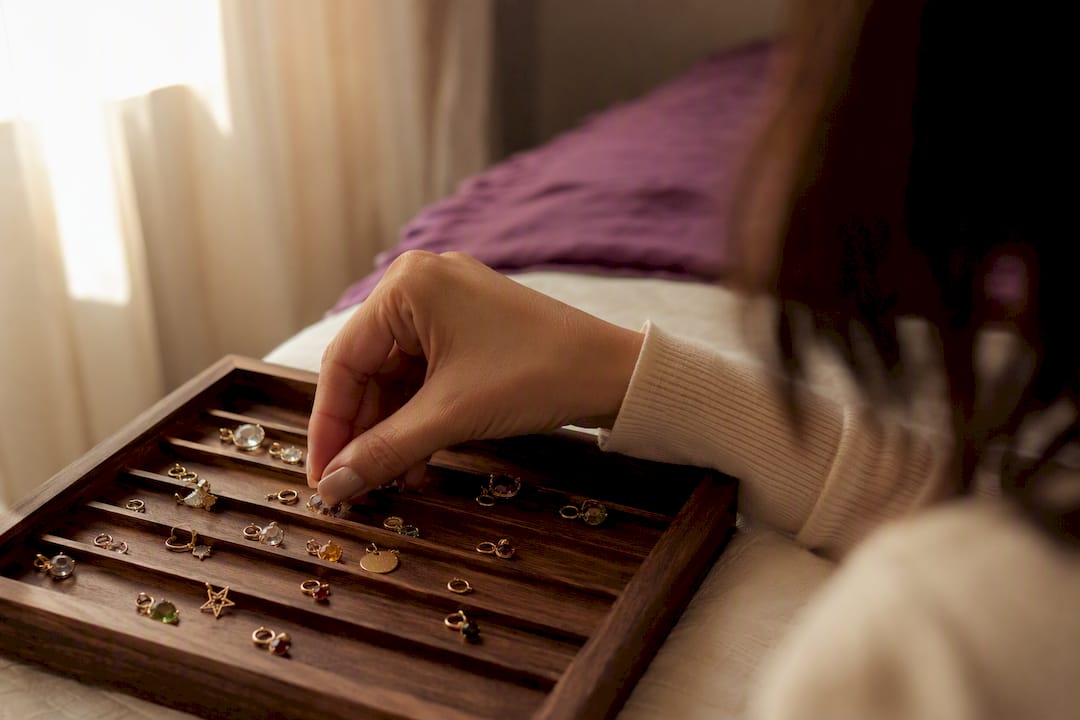
Texture is an underused lever, too. Swapping a smooth chain for a rope or paperclip link changes the entire feel of a look without touching the pendant or the length. If you’re bored with your current rotation, that’s often the cheapest fix, before you buy anything new at all.
Common Styling Mistakes to Avoid When Wearing Necklaces Daily
The most common mistake is layering without a hierarchy. Three or four necklaces at the exact same visual weight just reads as clutter, not styling, which is why the hero-piece rule exists in the first place.
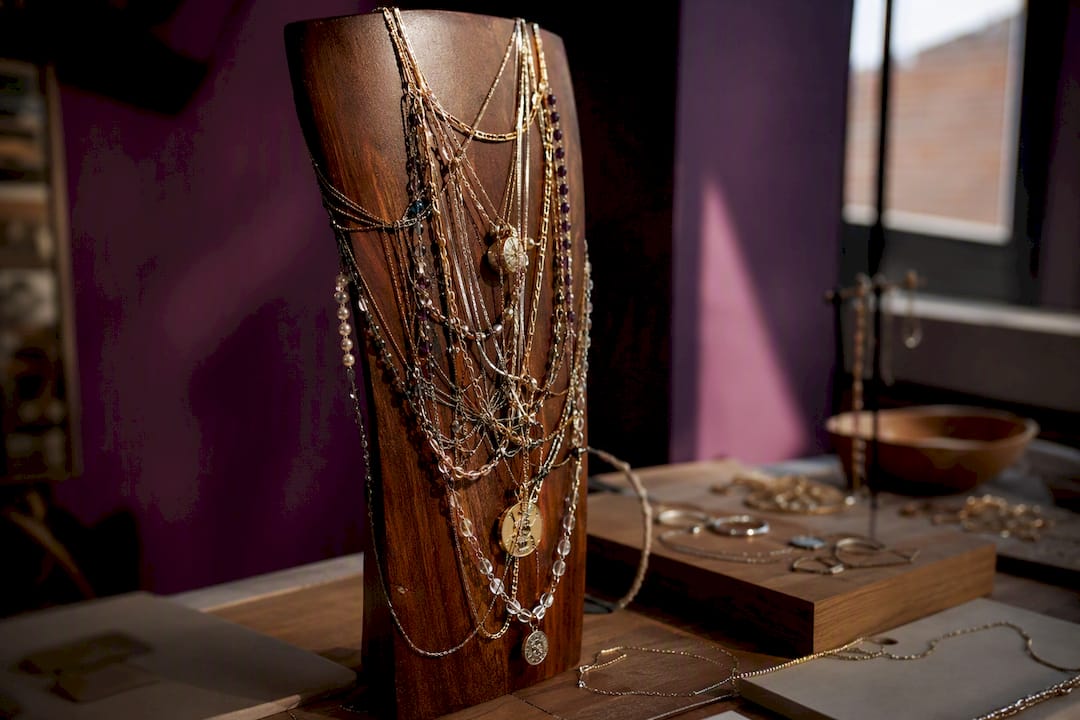
The second mistake is ignoring proportion. A long pendant with a high, structured neckline usually fights the collar instead of complementing it. Match the drop to the neckline before matching it to the outfit’s color.
Buying based on trend alone, without checking material quality, is a mistake that costs money twice: once at purchase, and again when the plating wears through and you replace it. Cheap plated pieces almost always look worse within months than a slightly pricier, durable option would have looked for years.
Wearing the same length on every layer is another common miss. Two necklaces sitting at identical drops just look like one thick strand, not an intentional stack; the two to three inch spacing rule exists specifically to prevent that.
Finally, overloading a busy outfit is easy to do and hard to notice in the mirror. A patterned top or a statement earring pair already carries visual weight. Adding a maximalist necklace stack on top competes rather than complements. When in doubt, simplify the necklace and let one other element of the outfit lead.
What 2026’s Necklace Trends Get Right (and Wrong)
The conventional advice on necklace styling tends to treat trends and everyday reliability as opposites, as if wearing a beaded strand this year means abandoning the gold chain you’ve worn for the last five. That’s not what the research on this actually supports. The strongest looks right now come from combining both: a durable anchor piece doing the daily work, with trend elements like beads or cord layered on top when the mood calls for it.
Where I think most styling guides overcorrect is maximalism. Chunky, stacked necklaces make for great editorial photography, but most people don’t dress for a photoshoot every morning. The hero-piece rule isn’t a compromise, it’s the actual skill. Anyone can throw on five necklaces. Choosing which one leads, and letting the rest support it, is the part that separates a styled look from a cluttered one.
If you prioritize anything from this, prioritize the anchor. Get one durable, well-made chain you trust completely, then treat every beaded strand or cord piece as a seasonal accent you can swap in and out without consequence. Trend pieces are supposed to be low-stakes. Your everyday chain shouldn’t be.
— Ammar
Where to Find Necklaces Built for This Exact Formula
Merijaan is built around the anchor-plus-hero approach this article just walked through, using lab-grown moissanite instead of mined stones or thin plating that wears out fast.

If you’ve been piecing together an everyday rotation from fast-fashion plating that tarnishes in a season, the actual fix isn’t buying more necklaces, it’s buying fewer that last. Every piece in the collection carries a lifetime warranty, and club members get unlimited exchanges if their styling needs change with the seasons. That combination means you can build the anchor-hero-trend stack this article describes once, rather than replacing pieces every few months.
Browse the necklace collection at Merijaan and start with one anchor chain you can build your entire everyday rotation around.
Sources
- 5 Specific Necklace Trends Set to Dominate This Summer | Who What Wear
- Beaded necklaces are summoning in another boho summer | Vogue
- How to choose fine gold necklaces to wear every day - FashionWeekDaily
- The corded necklace trend is here—shop them starting at $25 | Elle

