

If you’re looking for seed2stone.com alternatives, the short answer is this: Merijaan is the top recommendation for shoppers who want moissanite-first ethical jewelry at an accessible price. Beyond Merijaan, a handful of category-specific brands cover the full range of what Seed2Stone shoppers typically want.
Here’s the quick shortlist by category:
- Moissanite-first ethical brand: Merijaan — lab-grown moissanite, sustainable sourcing, 100% of profits returned to the artisans who make the pieces
- Lab-grown diamond specialist: Brilliant Earth, Vrai — both focus on traceable lab-grown diamonds with formal sustainability documentation
- Everyday fine-jewelry value brand: Mejuri, Ana Luisa, Quince — solid gold or vermeil at direct-to-consumer prices
- Custom/made-to-order jeweler: Plum Diamonds — bespoke lab-grown diamond pieces built around the buyer’s brief
If your priority is budget and sustainability, Merijaan or Ana Luisa. For lab-grown diamond transparency, Brilliant Earth or Vrai. For custom work, Plum Diamonds.
Table of Contents
- How do the best Seed2Stone alternatives compare at a glance?
- How to choose the right Seed2Stone alternative for your priorities
- What each recommended alternative actually offers
- What sustainability claims actually mean, and how to verify them
- What do customer reviews actually say about these alternatives?
- How does customer service compare across these alternatives?
- Key Takeaways
- The thing most shoppers get wrong when switching from Seed2Stone
- Merijaan: a moissanite-first alternative worth your attention
- Further reading and source links for verification
How do the best Seed2Stone alternatives compare at a glance?
| Category | Best for | Stone type | Metals | Key trust flags | Typical price range | Return & warranty | Customization | U.S. shipping |
|---|---|---|---|---|---|---|---|---|
| Moissanite-first ethical | Sparkle + ethics on a budget | Lab-grown moissanite | Recycled/solid gold, sterling | Recycled metal statements, ethical sourcing pledge | Under $300–$800 | Brand-specific; check policy page | Limited to moderate | Standard domestic |
| Lab-grown diamond specialist | Diamond buyers who want traceability | Lab-grown diamond | Recycled gold, platinum | IGI/GIA grading reports, RJC or SCS certification | $800–$2,000+ | 30-day returns common; lifetime warranty on some | Moderate to high | Free over threshold |
| Affordable fine-jewelry / value DTC | Everyday wear, gifting | Lab-grown or mined | Vermeil, solid gold, sterling | Recycled content statements, third-party reviews | Under $300–$600 | 30-day returns typical | Low to moderate | Free standard |
| Custom / made-to-order | Engagement rings, heirloom pieces | Lab-grown diamond, moissanite | Solid gold, platinum | Independent grading reports, maker transparency | $800–$2,000+ | Limited; custom pieces often final sale | High | Standard to expedited |
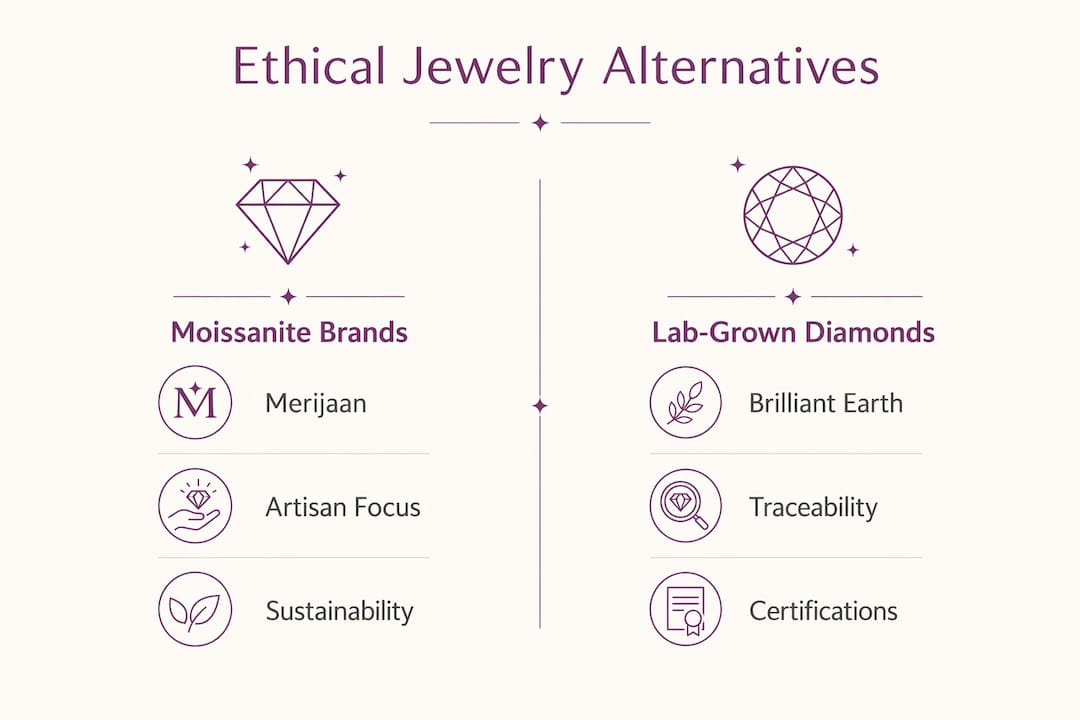
A few quick notes: price bands shift significantly by piece type. Studs or simple necklaces in the moissanite-first and value DTC categories typically land at affordable price points. Engagement rings in the lab-grown diamond or custom categories routinely start at $800 and climb well past $2,000 depending on carat weight and metal choice. The repair and resizing policies for custom pieces deserve extra attention before you commit, since many makers treat bespoke orders as final sale.
How to choose the right Seed2Stone alternative for your priorities
Work through these steps in order before you click “add to cart.”
-
Define your material preference. Decide between moissanite, lab-grown diamond, or mined diamond first. Moissanite costs less and scores high on durability; lab-grown diamonds carry a closer visual match to mined stones and often come with grading reports. These are separate choice axes, not interchangeable upgrades.
-
Check certification and recycled metal claims. “Ethical” on a product page means nothing without documentation. Look for SCS Global Services verification or RJC (Responsible Jewellery Council) membership. Ask directly what percentage of the metal is recycled content, not just whether recycled metal is “used.”
-
Confirm grading or reporting for stones. For lab-grown diamonds, an IGI or GIA grading report should be available on request or included with the piece. For moissanite, ask whether the stone carries a manufacturer certificate. No documentation is a red flag, full stop.
-
Review return, warranty, and resizing policies. A 30-day return window is standard across most direct-to-consumer brands. Resizing is a separate question — some brands offer one free resize within a year; others charge or outsource it. Check jewelry repair timelines so you know what “standard turnaround” actually means.
-
Evaluate customization availability. If you need a specific stone shape, carat weight, or metal combination, confirm it before ordering. Value DTC brands rarely offer true customization; custom/made-to-order jewelers build it in from the start.
-
Compare real customer photos and reviews. Real customer photos are often the single best predictor of a satisfying online jewelry purchase. Look for photos on third-party review platforms, not just the brand’s own gallery.
Red flags to watch for: no grading disclosure on diamond pieces, vague phrases like “responsibly sourced” with no certifying body named, no stated return window, and product photos that are exclusively studio renders with no customer images.
For price context: everyday studs and simple necklaces in the U.S. market typically run under $300 in the moissanite and value DTC categories. Engagement rings start at moderate prices for lab-grown moissanite and are higher for lab-grown diamonds with grading reports.
What each recommended alternative actually offers
Merijaan: moissanite-first ethical jewelry
Merijaan’s entire line is built around lab-grown moissanite, which gives you the brilliance and durability of a diamond-adjacent stone without the price premium. The design language leans toward timeless elegance rather than trend-chasing, which suits shoppers who want pieces that hold up for years of daily wear. Every purchase ties back to a direct commitment: all profits go to the artisans who craft the jewelry, making the ethical claim concrete rather than aspirational. For shoppers comparing conflict-free fine jewelry options, Merijaan’s sourcing transparency is worth verifying against the brand’s published materials. Everyday studs and necklaces typically fall at affordable prices, with more elaborate rings priced higher. Check the return policy and warranty terms on the product page before ordering.
Brilliant Earth and Vrai: lab-grown diamond specialists
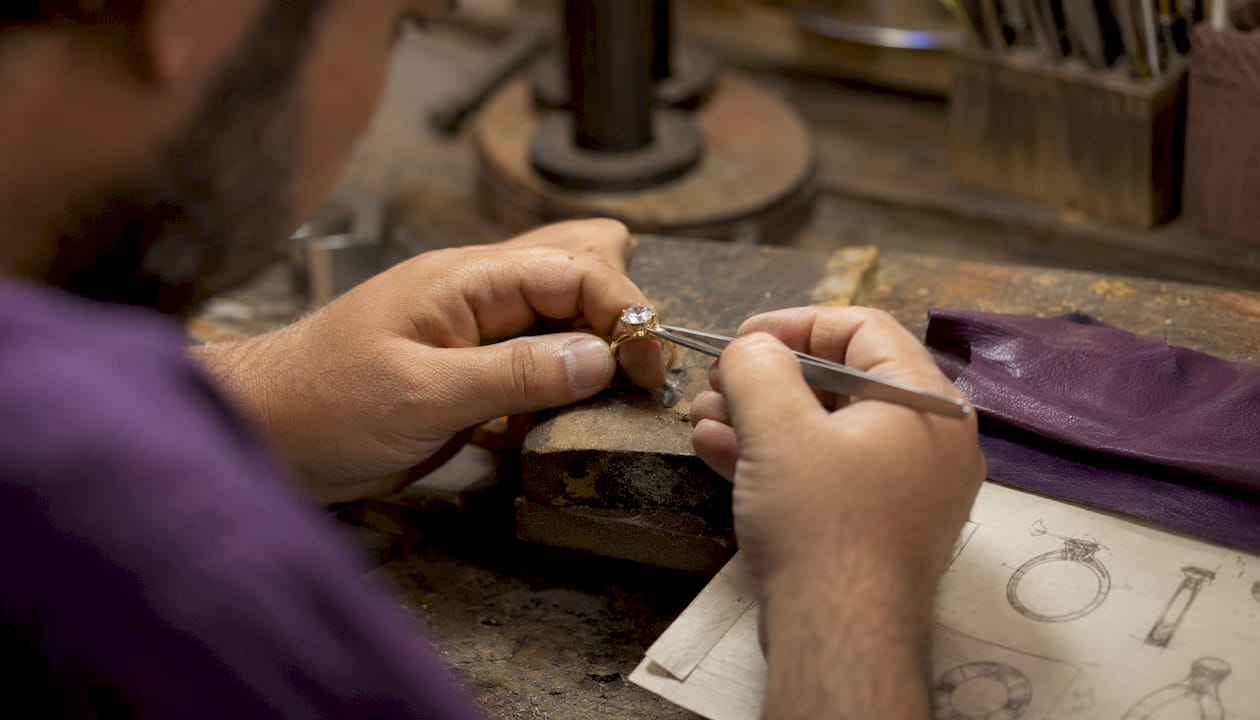
Both brands position themselves around traceable lab-grown diamonds with formal documentation. Brilliant Earth holds RJC certification and publishes recycled metal content figures; Vrai operates its own foundry, which gives it unusually direct control over its supply chain. Grading reports (IGI for most pieces) come standard. Simple studs start at moderate prices, and engagement rings are higher priced. Return windows are typically 30 days, and both brands offer resizing services. If a GIA or IGI report on your stone matters to you, these two are the most straightforward options in the lab-grown diamond category.
Mejuri, Ana Luisa, and Quince: everyday fine-jewelry value
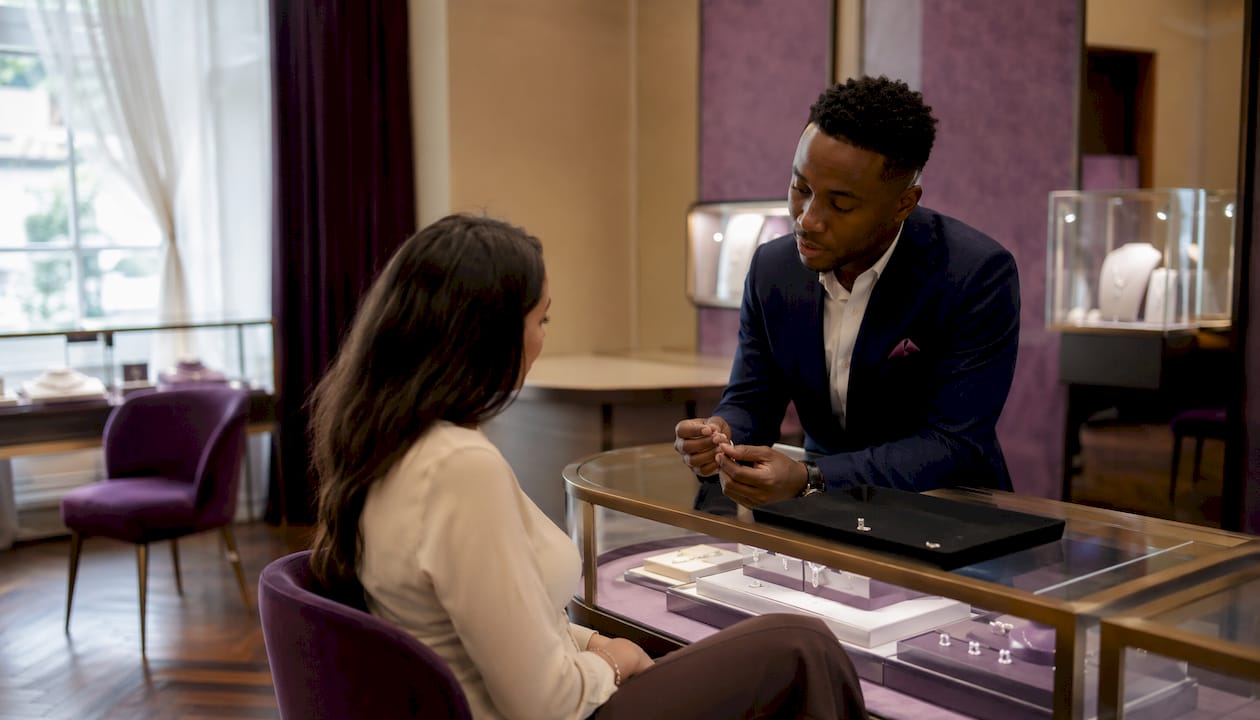
These three brands serve shoppers who want solid gold or gold vermeil at prices that don’t require a special occasion. Mejuri uses recycled gold and publishes sustainability reports; Ana Luisa plants a tree per order and uses recycled metals; Quince focuses on price transparency with solid 14k gold pieces at direct-to-consumer margins. Stone offerings vary: some pieces use lab-grown diamonds, others use mined stones or semi-precious gems. The key verification step here is reading the metal description carefully. “Gold vermeil” is a gold-plated sterling base, not solid gold, and the durability difference matters for daily wear. Return policies across all three are generally 30 days. Customization is limited.
Plum Diamonds: custom and made-to-order
Plum Diamonds is the right category for shoppers who know exactly what they want and are willing to pay for it. The process starts with a consultation, and the finished piece is built to spec with lab-grown diamonds and independent grading documentation. Prices reflect the bespoke nature of the work: expect higher price points for simple pieces and significantly more for engagement rings. Because pieces are made to order, return policies are typically more restrictive than standard DTC brands. If you’re buying for an engagement or a significant milestone, the tradeoff is usually worth it. For everyday gifting or impulse purchases, the value DTC category is a better fit.
What sustainability claims actually mean, and how to verify them
The most important verification step is this: look for independent certifications and explicit recycled-metal statements, not just “ethical” or “sustainable” in the marketing copy. Lab-grown labeling alone does not guarantee an ethical supply chain.
Lab-grown vs. ethical: they’re not the same metric
A stone grown in a lab avoids the human-rights concerns tied to mined diamonds, but the energy source powering the growth reactor matters too. A lab-grown diamond produced with coal-heavy electricity carries a different environmental footprint than one grown with renewable energy. The same logic applies to metals: recycled gold has a significantly lower extraction impact than newly mined gold, regardless of what stone sits above it. Shoppers comparing lab-grown and mined diamond footprints should look at both the stone and the metal before drawing conclusions.
Certifications and documentation to look for
- SCS Global Services: verifies recycled-content claims for metals and other materials; a brand carrying SCS certification has had its recycled-metal percentage independently audited
- RJC (Responsible Jewellery Council): covers the full supply chain from mine or lab to retail; membership requires regular audits
- IGI / GIA grading reports: apply to diamonds (lab-grown or mined); confirm cut, color, clarity, and carat weight independently of the seller
- Manufacturer certificates: standard for moissanite; confirm stone identity and quality grade
Practical verification steps
Request a photo of the grading report before purchase if it’s not already published on the product page. Ask the brand directly what percentage of their metal is recycled content. Check third-party review platforms for customer photos of the actual piece, not just the studio render. For stone sourcing details, gemmological sourcing guidance explains what questions to ask and how to interpret the answers a seller gives you.
Pro Tip: When a brand claims “recycled gold,” ask for the specific percentage. A piece that is 50% recycled gold is meaningfully different from one that is 95% recycled. SCS-certified brands publish this figure; brands without certification often can’t or won’t.
Moissanite and lab-grown diamonds are separate choice axes, not a hierarchy. Moissanite offers exceptional durability and brilliance at a lower price point; lab-grown diamonds carry grading reports and a closer visual match to mined stones. The right choice depends on your use case — daily-wear studs versus a once-in-a-decade engagement ring — not on which stone sounds more premium.
For a deeper look at moissanite’s sustainability profile, Merijaan’s editorial covers the full lifecycle comparison.
What do customer reviews actually say about these alternatives?
Across third-party review platforms, the patterns are consistent enough to be useful. Seed2Stone’s customer review aggregates show recurring themes around product quality and fit, which gives a useful baseline for comparison. The brands that consistently earn strong reviews share a few traits: they publish real customer photos, they respond to negative reviews publicly, and they have clear return processes that don’t require a fight.
Brilliant Earth draws praise for packaging and stone quality but occasional criticism for customer service response times on complex orders. Mejuri earns strong marks for everyday pieces and consistent sizing but mixed feedback on vermeil durability over time. Ana Luisa’s reviews highlight the value-to-quality ratio and the tree-planting program as genuine differentiators. Quince gets credit for price transparency but fewer reviews overall, which makes it harder to assess long-term durability. Plum Diamonds customers consistently cite the consultation process as a strength, though lead times draw occasional complaints.
Merijaan’s customer feedback centers on the sparkle quality of the moissanite and the craftsmanship of the settings. The brand’s commitment to artisan profit-sharing resonates with buyers who want their purchase to mean something beyond the piece itself.
The single most useful thing you can do before buying from any of these brands: search the brand name plus “review photos” on Reddit or a third-party platform. Studio photography flatters every piece. Customer photos tell you what you’re actually getting.
How does customer service compare across these alternatives?
Customer service quality varies more than most shoppers expect, and it often matters most at the worst moment: when something arrives damaged, doesn’t fit, or needs a repair.
Brilliant Earth has a dedicated customer service team with phone, chat, and email options. Response times on straightforward questions are generally fast; complex warranty or repair requests can take longer. Vrai operates a leaner team, which means chat and email are the primary channels. Response quality is generally high, but wait times can stretch during peak periods. Mejuri has expanded its customer service infrastructure significantly and now offers in-store support at its physical locations in addition to online channels, which is a real advantage for resizing or returns.
Ana Luisa and Quince are primarily online-only, with email and chat as the main contact points. Both handle standard returns efficiently. For anything outside a standard return, expect email as the primary channel and plan for a 2–3 business day response window. Plum Diamonds, given its bespoke model, offers a more consultative service experience by design. The trade-off is that post-purchase support for custom pieces is more limited, since the return policy is narrower.
Merijaan takes a customer-centered approach that aligns with its artisan-focused model. For shoppers who value knowing their purchase supports the people who made it, that transparency extends to how the brand handles post-purchase questions. Check the brand’s current contact options on the website for the most accurate response-time expectations.
The practical takeaway: before you buy, send a pre-purchase question to the brand’s customer service channel. How fast they respond and how specifically they answer tells you more about post-purchase support than any marketing copy will.
Key Takeaways
Merijaan is the strongest moissanite-first ethical alternative to Seed2Stone for shoppers who want sparkle, sustainability, and direct artisan support in a single purchase.
| Point | Details |
|---|---|
| Category fit matters most | Match your stone preference (moissanite, lab-grown diamond, or value DTC) to your use case before comparing brands. |
| Certifications over claims | Look for SCS or RJC certification and explicit recycled-metal percentages, not just “ethical” in the copy. |
| Grading reports are non-negotiable | For any diamond piece, request an IGI or GIA report; for moissanite, ask for the manufacturer certificate. |
| Check return and repair policies | Confirm the return window, resizing terms, and repair turnaround before purchasing, especially for custom pieces. |
| Merijaan for moissanite-first ethics | Merijaan combines lab-grown moissanite, artisan profit-sharing, and elegant design for shoppers who want beauty and accountability. |
The thing most shoppers get wrong when switching from Seed2Stone
Most people searching for similar platforms to Seed2Stone are really asking two separate questions at once: “Where can I find ethical jewelry?” and “Where can I find affordable jewelry?” Those questions have overlapping but not identical answers, and conflating them leads to purchases that disappoint on one dimension or the other.
Seed2Stone’s specific proposition is a combination of lab-grown diamonds, recycled metals, and a formal ESG commitment that includes a tree-planting program tied to purchases. That’s a fairly specific bundle. Most alternatives do one or two of those things well, not all three. Brilliant Earth and Vrai come closest on the lab-grown diamond and recycled metal side but don’t carry the same reforestation angle. Merijaan replaces the lab-grown diamond focus with moissanite, which changes the price point and the stone characteristics significantly.
The honest evaluation framework is this: decide which element of Seed2Stone’s bundle you actually care about most, then find the brand that does that one thing best. If it’s the stone type, go lab-grown diamond specialist. If it’s the price-to-sparkle ratio, moissanite-first brands like Merijaan win. If it’s the ESG documentation, look for RJC membership or SCS certification, because a tree-planting pledge without independent audit is marketing, not accountability.
Shoppers who skip this step end up comparing brands on price alone, then feeling let down when the ethical credentials don’t hold up to scrutiny. The sustainable jewelry criteria that actually matter are verifiable. Use them.
Merijaan: a moissanite-first alternative worth your attention
Every brand on this list does something well. Merijaan does something specific: it puts lab-grown moissanite at the center of every design, keeps prices accessible without cutting corners on craft, and routes 100% of its profits back to the artisans who make the pieces. That last point isn’t a tagline. It’s a structural commitment that changes what your purchase actually supports.
For shoppers who came to Seed2Stone for ethical sourcing and left wanting a wider moissanite selection at a friendlier price, Merijaan is the natural next stop. The pieces range from everyday necklaces to statement rings, all built around stones that deliver genuine sparkle without the environmental cost of mined diamonds. Browse the Engadine Bracelet as a starting point for the brand’s design sensibility, then explore the full collection to find the piece that fits your moment.
Further reading and source links for verification
- SCS Global Services — the verification body for recycled-metal and sustainability claims; use this to understand what certified brands have actually committed to
- Seed2Stone directory entry — Prakati — neutral summary of Seed2Stone’s ESG positioning and lab-grown diamond focus, useful for direct comparison
- Seed2Stone customer reviews — Buyersprove — aggregated customer feedback that gives a baseline for comparing review quality across alternatives
- Lab-Grown vs. Mined Diamonds in 2026 — Merijaan — environmental footprint comparison and verification steps for lab-grown stone buyers
- Is Moissanite Sustainable? — Merijaan — full lifecycle analysis of moissanite as an ethical gemstone alternative
- The Guilt-Free Glow — Merijaan — editorial on everyday wearability and sustainable design for lab-grown pieces
- Jewelry repair and care — Watch Repair Station — practical guidance on repair timelines and what post-purchase care to expect from a jeweler
Recommended
- Why Moissanite Is the Future of Ethical Jewelry in 2026 – The Meri Jaan
- Top 3 Smilingrocks.com Lab-Grown Jewelry Alternatives 2026 – The Meri Jaan
- Lab-Grown vs. Mined Diamonds in 2026: Eco-Friendly Choice – The Meri Jaan
- Is Moissanite Sustainable? Eco-Friendly Gemstone Deep Dive 2026 – The Meri Jaan

