
Jewelry pieces worth investing in are defined by three non-negotiable qualities: high intrinsic material value, iconic design with documented provenance, and a brand heritage that enforces pricing discipline. High-karat gold (18K and above) provides a measurable price floor, while certified gemstones and signature designs from recognized houses drive resale demand. Sustainability and ethical sourcing have moved from niche preference to mainstream investment criterion, directly influencing a piece’s long-term liquidity and desirability. This guide covers the top collectible jewelry categories, essential buying criteria, and practical recommendations across every budget.
1. What are the top jewelry types worth investing in?
The strongest investment jewelry categories share one trait: intrinsic material value that survives trend cycles. Solid 18K or higher gold jewelry holds 65–85% of its purchase price as raw gold value, giving it a built-in floor that plated or vermeil pieces simply cannot match. That floor matters most during economic volatility, when gold’s safe-haven status pushes demand higher.
The categories with the most consistent resale performance are:
- Solid gold bracelets and bangles from heritage houses with signature silhouettes
- Solitaire and three-stone rings set with GIA-certified diamonds or certified colored gemstones
- Iconic necklaces featuring recognizable motifs tied to a specific design house
- Colored gemstone pieces featuring rubies, sapphires, and emeralds, which are trading above estimates at major auctions and expected to appreciate faster than gold
Hollow or mass-produced pieces fail as investments regardless of their gold content. Solid metal construction is the baseline requirement. Anything less means the piece trades on fashion alone, and fashion depreciates.
Pro Tip: When evaluating a piece, ask for the metal hallmark and karat stamp before anything else. No stamp means no verifiable material value.
2. Which collections have the strongest resale performance?
Resale data from authenticated secondary markets points clearly to a small group of collections that outperform everything else. Cartier’s Juste un Clou retains up to 97% of retail value, and the Love bracelet holds approximately 95%. Those figures are not marketing claims. They reflect actual transaction data from authenticated resale platforms.
| Collection | Retail Value Retention | Key Driver |
|---|---|---|
| Cartier Juste un Clou | 97% | Iconic nail silhouette, pricing discipline |
| Cartier Amulette | 93% | Signature motif, consistent demand |
| Cartier Love bracelet | 95% | Cultural recognition, scarcity management |
| Cartier Panthère | 89% | Collector appeal, limited editions |
| Cartier Trinity | 82% | Classic three-band design, broad market |
| Van Cleef & Arpels Alhambra | 80–90% | Heritage motif, strong secondary demand |
Van Cleef & Arpels Alhambra pieces hold 80–90% of retail value, with vintage and limited editions regularly exceeding original retail at auction. True appreciation, however, occurs in collector-level pieces where rarity, condition, and provenance are exceptional. Widely available pieces from the same houses mainly retain value rather than grow it.
Original packaging and documentation add 15–25% to resale price. A Love bracelet sold with its original box, papers, and receipt commands a meaningfully higher price than the same bracelet sold loose. Condition matters equally. Polishing removes surface scratches but also removes original patina that some collectors prize.
Pro Tip: Store original boxes, receipts, and certificates in a fireproof document folder. Losing them costs you real money at resale.
3. How does sustainability and ethical sourcing impact jewelry investment value?
Ethical sourcing has become a direct financial variable in jewelry investment, not just a moral preference. Consumers increasingly favor ethically sourced metals and stones, and that preference is shifting secondary market demand toward brands with transparent supply chains. A piece from a house with documented responsible sourcing carries stronger long-term liquidity than an equivalent piece with no sourcing record.
Brands that prioritize sustainability tend to maintain stricter pricing discipline. That discipline protects resale floors. When a brand floods the market with discounted stock or sources materials without accountability, it erodes the trust that underpins secondary market pricing.
Avoiding mass-produced pieces is part of the same logic. Mass production signals low material quality, inconsistent craftsmanship, and no scarcity premium. These are the three factors that kill resale value fastest. Pieces built with sustainable jewelry practices and quality materials hold their worth because the market recognizes what went into making them.
The rise of lab-grown gemstones, including moissanite, reflects this shift. Buyers who prioritize ethical sourcing without sacrificing sparkle or craftsmanship are finding that these pieces deliver genuine aesthetic value. Merijaan builds its entire collection on this principle, using lab-grown moissanite to produce pieces that are both ethically sound and visually striking.
4. What criteria should buyers prioritize when selecting high-value pieces?
Investment-grade jewelry requires three elements: signature design, intrinsic material value, and original documentation. Remove any one of those three, and resale potential drops significantly. Most buyers focus on design and ignore documentation until it is too late.
The criteria to check before any purchase:
- Metal hallmark and karat stamp. 18K minimum for investment purposes. Verify the stamp is present and legible.
- Certified gemstones. GIA-certified diamonds carry the most recognized grading standard. For colored gems, ask for provenance documentation and independent grading reports.
- Original packaging and receipts. Documentation adds 15–25% to resale value. Never discard branded boxes or purchase certificates.
- Signature design from a recognized house. Generic fine jewelry without a design identity loses 50–70% of retail value at resale due to retail markup inflation.
- Authentication from a trusted seller. Buy from authorized dealers or certified pre-owned platforms with authentication guarantees.
- Condition assessment. Inspect clasps, prong settings, and surface finish. Damage that requires repair reduces resale value before you factor in repair costs.
Fakes are a real risk in the high-value bracelet and ring categories. A counterfeit Love bracelet looks convincing but has zero resale value. Always request serial numbers and cross-reference with the issuing house.
Pro Tip: For colored gemstones, request a certificate from a recognized lab such as GIA or Gübelin. Country of origin on the certificate can double a ruby’s value at auction.
5. What are the practical investment options for different budgets?
Entry-level buyers have real options in the luxury jewelry investment market. Smaller Cartier Juste un Clou pieces and Van Cleef Vintage Alhambra pendants offer access to high-retention collections without requiring a five-figure outlay. Buying authenticated pre-owned pieces at 10–20% below retail reduces day-one depreciation and increases appreciation potential from the start.
Mid-range buyers targeting $5,000–$15,000 should focus on classic yellow gold Love bracelets or coordinated Alhambra sets. Yellow gold holds material value better than white gold or rose gold over long periods because its alloy composition is more stable. Coordinated sets from the same collection also command a premium at resale over individual pieces.
High-end collectors spending above $20,000 should target rare stones and documented provenance. Colored gemstones, particularly no-heat rubies and Kashmir sapphires, are trading at 2–3× above auction estimates. Fine jewelry in this range has active secondary markets and retains 40–70% of retail value, while haute joaillerie pieces above $100,000 require specialized auction houses and carry higher liquidity risk.
- Entry level: Pre-owned small Juste un Clou or Vintage Alhambra pendant
- Mid-range: Classic yellow gold Love bracelet or Alhambra long necklace
- High-end: Rare colored gemstone pieces with GIA or Gübelin certification and documented provenance
Celebrities and sustainability-conscious buyers are also driving demand for ethical luxury jewelry, which is creating a new category of high-retention pieces outside traditional heritage houses.
Key Takeaways
The best jewelry investments combine solid material value, iconic design, and complete original documentation. Missing any one of these three elements cuts resale potential significantly.
| Point | Details |
|---|---|
| Material value is the price floor | Choose 18K+ solid gold or platinum; plated pieces have no investment floor. |
| Documentation adds real money | Original boxes, receipts, and certificates add 15–25% to resale value. |
| Iconic design drives demand | Collections like Cartier Love and Alhambra retain 80–97% of retail value. |
| Ethical sourcing builds liquidity | Transparent supply chains improve brand trust and secondary market demand. |
| Pre-owned beats new for entry buyers | Buying authenticated pre-owned at 10–20% below retail reduces depreciation risk. |
Why I think most jewelry investment advice misses the point
Most guides tell you to buy Cartier and call it a day. That is not wrong, but it skips the harder question: what do you actually want from a jewelry investment?
I have seen buyers chase resale percentages and end up with pieces they never wear, stored in a safe, slowly losing the emotional connection that makes jewelry meaningful in the first place. The financial case for iconic collections is real. The Juste un Clou’s 97% retention rate is not a myth. But jewelry is not a stock. You wear it, you feel it, and that relationship matters to how long you hold it and how well you care for it.
The sustainability angle is where I think the real opportunity sits right now. Ethical sourcing is not just a feel-good label. It is a signal of brand discipline, supply chain control, and long-term market credibility. Brands that cut corners on sourcing tend to cut corners on pricing discipline too. That combination destroys resale value faster than any trend cycle.
My honest recommendation: buy pieces you genuinely love, made with materials you can verify, from brands that stand behind their sourcing. Patience is the actual strategy. Jewelry appreciates over years, not months. The pieces I have seen hold and grow value are always the ones where the owner cared for them properly and held them long enough for the market to recognize their worth.
— Ammar
Timeless pieces from Merijaan worth adding to your collection
Merijaan crafts jewelry built on the principles that matter most to long-term value: ethical sourcing, quality craftsmanship, and timeless design. Every piece uses lab-grown moissanite, delivering exceptional sparkle without the ethical compromises of mined stones. The entire profit from each sale goes directly back to the artisans who make the jewelry.
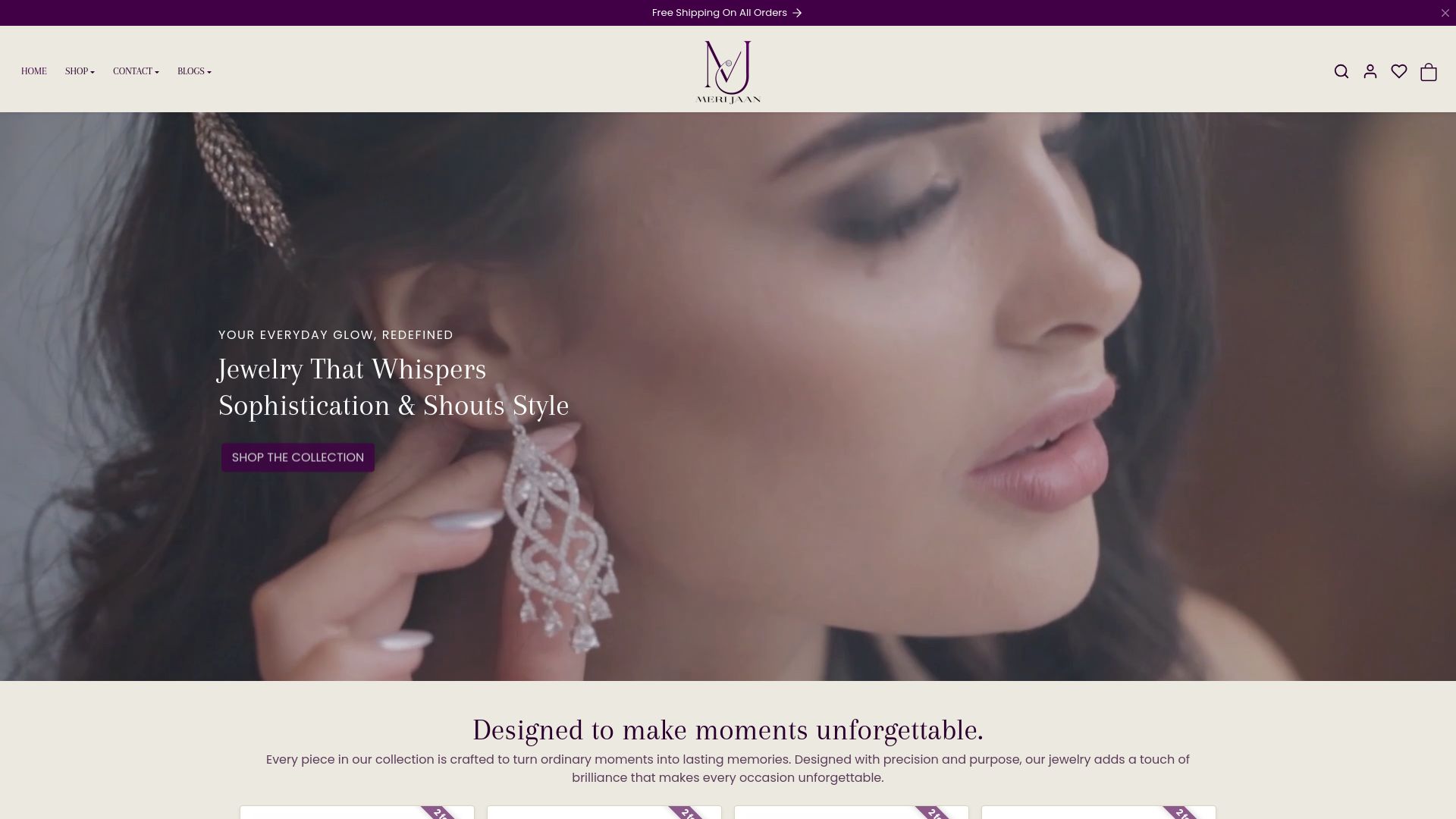
The Saint-Moritz Necklace and Zermatt Necklace represent Merijaan’s commitment to pieces that carry both aesthetic and ethical weight. For buyers who want to browse the full necklace collection, Merijaan offers a curated range of signature designs built for lasting wear and lasting value.
FAQ
What makes a jewelry piece worth investing in?
Investment-worthy jewelry combines high-karat gold or platinum construction, certified gemstones, iconic design from a recognized house, and complete original documentation. Missing any one of these elements reduces resale potential significantly.
Which jewelry holds its value best?
Cartier’s Juste un Clou retains up to 97% of retail value, and the Love bracelet holds approximately 95%. Van Cleef & Arpels Alhambra pieces hold 80–90%, making these collections the strongest performers in authenticated secondary markets.
Does ethical sourcing affect jewelry resale value?
Ethical sourcing strengthens brand reputation and secondary market demand, which directly supports resale liquidity. Buyers increasingly favor pieces with transparent supply chains, making ethically sourced jewelry more desirable over time.
Is pre-owned jewelry a good investment?
Buying authenticated pre-owned pieces at 10–20% below retail reduces day-one depreciation and increases appreciation potential. Pre-owned pieces from iconic collections often outperform new purchases as investments.
How do I protect the value of my jewelry?
Keep all original packaging, receipts, and certificates in a secure location. Proper storage and regular professional cleaning maintain condition, and condition directly affects resale price. Learn more about caring for your pieces to protect their long-term worth.

