

An everyday jewelry collection is defined as a curated set of versatile pieces worn daily, chosen to balance personal style, budget, and values. The build everyday jewelry collection steps most people skip are the planning ones. Without a clear framework, you end up with a drawer full of pieces that never quite work together. The capsule collection method fixes that. It treats your jewelry like a wardrobe: fewer pieces, more combinations, and every item earning its place. This guide walks you through each step, from picking your first stud to adding a statement piece that still works on a Tuesday morning.
Which essential jewelry pieces form a strong everyday foundation?
The strongest everyday collections start with five core pieces. Experts recommend a layering chain, a pendant necklace, foundational earrings, a ring stack, and a bracelet or cuff as the functional base. These five items cover every outfit scenario from a work meeting to a weekend brunch without requiring you to think too hard.
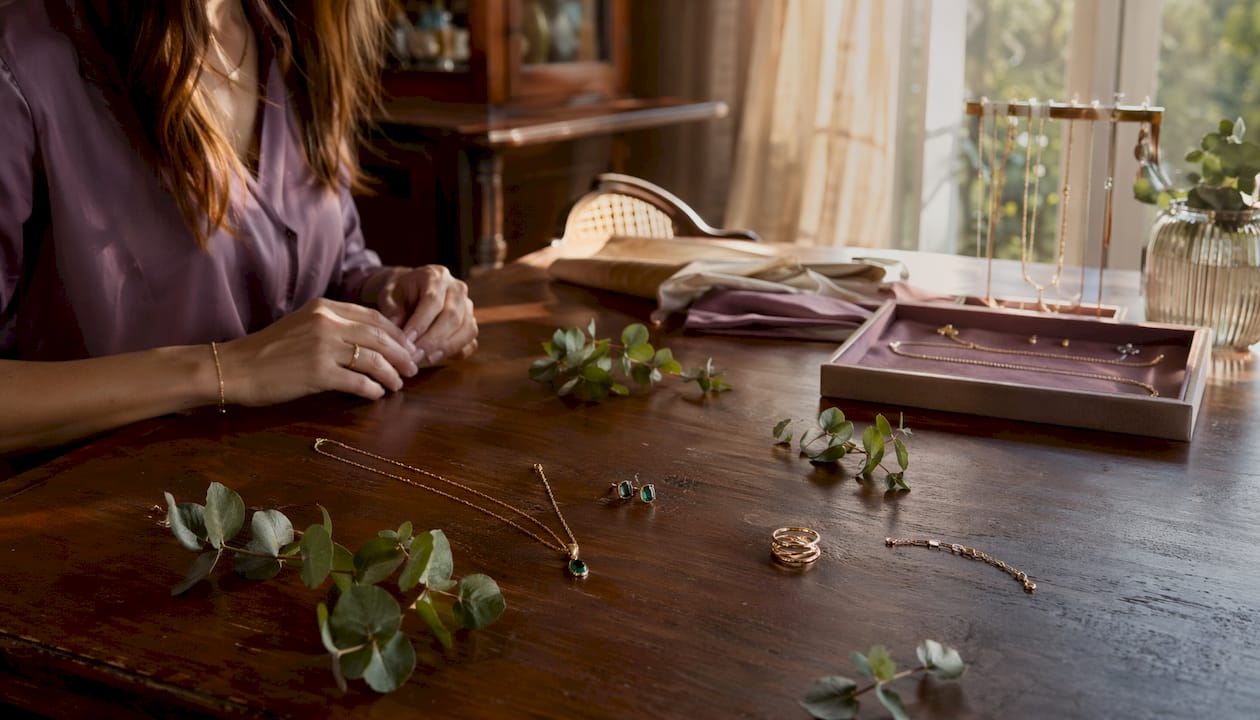
Each piece plays a specific role. Studs and small hoops anchor the ear without competing with your outfit. A pendant necklace fills the neckline and works under a blazer or over a t-shirt. A ring stack lets you add or remove pieces based on how dressed up you want to feel. A bracelet or cuff adds movement and personality to any look.
The metals you choose matter as much as the shapes. Gold tones read as warm and classic. Silver tones read as cool and modern. Mixing both works, but only when done with intention. For a beginner, committing to one metal family keeps the collection looking pulled together without extra effort.
- Stud earrings: Small diamonds, pearls, or plain metal. Wear every day without fatigue.
- Hoop earrings: Medium size, 20–30mm. Versatile enough for casual and professional settings.
- Pendant necklace: A simple chain with a single charm or stone. Layerable with longer chains.
- Layering chain: A plain gold or silver chain in 16–18 inch length. Works alone or stacked.
- Ring stack: One to three simple bands. Mix textures like plain, hammered, and twisted.
- Bracelet or cuff: A thin bangle or chain bracelet. Adds polish without bulk.
Pro Tip: Start with earrings and a necklace before adding rings and bracelets. These two categories do the most visual work and are the easiest to style across different outfits.
How to prioritize materials and design for a durable, affordable collection
Material choice is the single biggest factor in how long your jewelry lasts and how good it looks over time. The affordable luxury trend pushes buyers toward fewer, better pieces that lower cost per wear and hold up to daily use. That mindset is the right one.
Here is a practical order for evaluating any piece before you buy it:
- Check the metal base. Sterling silver and solid gold last the longest. Gold vermeil, which is sterling silver coated in thick gold, is a strong middle option. PVD coating, a vacuum-applied finish, resists tarnish better than standard plating and costs less than solid gold.
- Test the clasp and closure. Screw-back earring closures and safety latches on bracelets prevent loss and extend the life of a piece significantly. Avoid butterfly backs on heavy earrings.
- Apply the versatility test. A new piece should complement at least three existing items in your collection and be wearable in more than one way. If it only works with one outfit, it does not belong in a capsule collection.
- Choose hypoallergenic metals. Nickel is the most common cause of jewelry skin reactions. Titanium, surgical steel, and solid gold are the safest options for sensitive skin.
- Commit to one metal tone. Consistent metal selection creates a polished, intentional look. Mixing gold and silver randomly makes a small collection look scattered rather than styled.
The role of design in affordable jewelry is often underestimated. A well-designed piece in sterling silver will outlast and outperform a poorly made piece in solid gold. Look for clean lines, secure settings, and proportions that work across body types and necklines. Lab-grown diamonds and moissanite deliver the same visual impact as mined stones at a fraction of the price. Merijaan uses lab-grown moissanite specifically because it offers exceptional sparkle without the ethical or financial cost of mined alternatives.
Pro Tip: When shopping for plated pieces, ask about the micron thickness of the plating. Anything under 1.5 microns will wear off quickly. Gold vermeil typically starts at 2.5 microns, which is the minimum for daily wear.
What step-by-step approach should you follow to build your collection over time?
The most effective strategy is a phased purchasing plan spread over 6–9 months. This approach prevents overspending and gives you time to wear each piece before adding the next. You learn what you actually reach for versus what looked good in the store.
A curated capsule collection with a retail value of $10,000 can be assembled for around $2,000 by buying foundational pieces strategically over nine months. That is not a compromise. That is smart curation.
| Month | Piece to buy | Budget range |
|---|---|---|
| Month 1 | Diamond or moissanite studs | $450–$600 |
| Month 3 | Pendant necklace | $750–$1,000 |
| Month 6 | Ring or ring stack | $350–$500 |
| Month 9 | Tennis bracelet or cuff | Remaining budget |
For beginners with a tighter budget, a complete 6–10 piece collection can be built for under $50 by focusing on sterling silver pieces with quality plating. Individual pieces in the $8–$15 range are available and hold up well when cared for properly.
Layering is the skill that multiplies the value of every piece you own. A pendant necklace worn alone reads as simple. The same necklace layered with a plain chain and a longer lariat reads as intentional and styled. The key is varying lengths by at least 2 inches between each layer.
- Buy one piece at a time and wear it for at least two weeks before adding the next.
- Photograph your outfits with different jewelry combinations to track what actually works.
- Add statement pieces last, after the foundation is solid. A bold cuff or a gemstone cocktail ring lands differently when the rest of your collection is already cohesive.
- Revisit your collection every six months and remove anything you have not worn. A smaller, active collection beats a large, neglected one every time.
How to incorporate ethical and personal style into your collection
Ethical sourcing is no longer a niche concern. Consumer demand for affordable gemstone jewelry reflects a clear shift toward pieces that carry personal meaning and align with individual values. Lab-grown stones and semi-precious gems deliver color, vibrancy, and emotional resonance without the environmental cost of traditional mining.
Personal style shapes which pieces you will actually wear. A minimalist wardrobe calls for thin bands, small studs, and delicate chains. A maximalist wardrobe can carry bolder hoops, layered necklaces, and stacked rings. Neither approach is wrong. The mistake is buying for a version of yourself that does not exist yet.
Ethical considerations also extend to the brands you buy from. Merijaan directs 100% of its profits back to the artisans who make each piece. That model means your purchase supports the people behind the craft, not just the product. For readers interested in how ethical sourcing shapes everyday style choices, this distinction matters.
- Choose lab-grown diamonds or moissanite for sparkle without the mining footprint.
- Look for IGI or GIA certification on lab-grown stones to confirm quality and value.
- Select semi-precious gemstones like amethyst, turquoise, or labradorite for color and personality.
- Support brands with transparent supply chains and fair labor practices.
- Buy pieces that reflect your actual lifestyle, not your aspirational one.
How to maintain and organize your everyday jewelry collection for longevity
Daily care is what separates a collection that lasts a decade from one that tarnishes in six months. The habits are simple, but most people skip them.
- Clean pieces weekly. Use a soft cloth to wipe down metal after wearing. For deeper cleaning, warm water and a drop of dish soap work on most metals. Avoid ultrasonic cleaners on pieces with glued settings or soft stones like pearls.
- Store pieces separately. Chains tangle and metals scratch each other when stored together. Use a jewelry tray with individual compartments, or small zip-lock pouches for travel. Hanging earring organizers keep pairs together and visible.
- Avoid chemicals. Remove jewelry before applying lotion, perfume, or sunscreen. These products accelerate tarnishing and can cloud gemstones. Put your jewelry on last, after your skincare and fragrance routine.
- Inspect closures monthly. Check prong settings on rings and earrings for looseness. A prong that catches on fabric is a warning sign that a stone may be at risk. A local jeweler can tighten settings for a small fee.
Pro Tip: Anti-tarnish strips placed inside your jewelry storage box absorb the moisture and sulfur compounds that cause silver to darken. Replace them every three months for best results.
For durable jewelry suited to daily wear, the combination of quality materials and consistent care is what keeps pieces looking new. No amount of good design compensates for neglect.
Key Takeaways
A curated everyday jewelry collection built on five core pieces, one consistent metal tone, and a phased purchasing plan delivers more style and value than a large, unplanned collection ever will.
| Point | Details |
|---|---|
| Start with five core pieces | Studs, a pendant, a layering chain, a ring stack, and a bracelet form a complete foundation. |
| Commit to one metal tone | Choosing gold or silver based on skin tone creates a cohesive, intentional look without extra effort. |
| Use a phased buying plan | Spreading purchases over 6–9 months prevents overspending and lets you wear each piece before adding the next. |
| Apply the versatility test | Every new piece should work with at least three existing items and be wearable in more than one way. |
| Prioritize care and storage | Weekly cleaning, separate storage, and monthly closure checks extend the life of every piece significantly. |
Why I think most people build their jewelry collection backwards
Most people buy the statement piece first. They see a bold ring or a layered necklace on someone else and buy it immediately. Then they spend months trying to build a collection around a piece that was never meant to anchor one.
The counterintuitive truth is that the boring pieces are the ones that make everything else work. A plain gold chain. A small stud. A thin band. These are the pieces I reach for every single day, and they are the ones that make the bold pieces look intentional when I do wear them.
Patience is the real skill here. The phased approach feels slow, but it forces you to live with each piece before committing to the next. You learn your actual preferences, not the ones you imagined you had. I have seen people build genuinely beautiful collections on modest budgets by following this method, and I have seen people spend significantly more and end up with a drawer full of regret.
The other thing most articles will not tell you: your collection should change. What you wear at 25 is not what you will wear at 35. Build with intention now, but hold the pieces loosely. A collection that reflects who you are today is worth more than one built for who you think you should be.
— Ammar
Merijaan’s everyday collection: where ethics meet everyday elegance
Merijaan builds each piece around lab-grown moissanite, a stone that matches the brilliance of a mined diamond without the environmental or ethical cost. Every purchase supports the artisans behind the craft directly, since 100% of profits return to the people who make the jewelry.
Whether you are starting your first capsule collection or adding a considered piece to an existing one, Merijaan’s range covers the full spectrum from delicate everyday studs to elegant pendant necklaces. The affordable luxury pieces are designed to pass the versatility test from day one. For readers ready to add pieces that work as hard as they do, explore Merijaan’s full collection and find the piece that belongs in your daily rotation.
FAQ
What are the first steps to build an everyday jewelry collection?
Start with five foundational pieces: a pair of studs, a pendant necklace, a layering chain, a ring stack, and a bracelet. Buy one piece at a time and wear each for at least two weeks before adding the next.
How much does a complete everyday jewelry collection cost?
A quality capsule collection can be built for under $50 using sterling silver pieces, or for around $2,000 for a collection with a retail value closer to $10,000 when purchased strategically over nine months.
What metals are best for everyday jewelry wear?
Sterling silver, solid gold, gold vermeil, and PVD-coated metals are the most durable options for daily wear. Avoid thin plating under 1.5 microns, which wears off quickly with regular use.
What is the versatility test for jewelry?
The versatility test requires that any new piece complement at least three existing items in your collection and be wearable in more than one way. Pieces that fail this test do not belong in a curated everyday collection.
Are lab-grown stones a good choice for everyday jewelry?
Lab-grown diamonds and moissanite offer the same visual quality as mined stones at a significantly lower price. Look for IGI or GIA certification to confirm the stone’s quality before purchasing.

