

Yes, buying jewelry online can be safe, but only if you check one thing before you check anything else. For pieces with a graded stone, look up the lab report number on the issuing lab’s own site. For lower-value pieces without grading, confirm the seller lists a real return window and answers a pre-sale question within a day. A listing with neither is a pass.
TL;DR:
- Verify lab report numbers for graded stones by checking directly on the issuing lab’s website to ensure measurements and grades match listing claims.
- Trust only sellers with clear contact details, warranty information, and transparent product specifications such as metal stamps and gemstone measurements.
- Use credit cards or dispute-protected payment methods instead of wire transfers to safeguard against non-delivery or misrepresentation.
- Insist on tracked, insured shipping with a signature requirement and carefully review return policies, including start dates and who covers return costs.
- Be wary of lacking lab reports, vague return policies, requests for off-platform payments, edited photos, or suspiciously low prices indicating possible scams.
Table of Contents
- What Makes an Online Jeweler Seriously Trustworthy?
- How Do You Verify a Gemstone or Metal Certification?
- What Payment and Shipping Terms Protect You?
- Which Red Flags Mean You Should Walk Away?
- How Meri Jaan Shows Its Own Trust Signals
- Why Verification Beats Reputation Every Time
- A Straightforward Next Step If You’re Ready to Buy
- Where to Verify Certifications and Buyer Protections
- Sources
- FAQ
What Makes an Online Jeweler Seriously Trustworthy?
Trustworthy online jewelers behave a certain way. They put contact information, warranty terms, and product specs where you can find them without digging.
Buyer protection seals are the first layer worth checking. A Trusted Shops badge, or a similar certification specific to a marketplace, means the seller has agreed to standards around delivery, returns, and dispute handling, and that buyers have some recourse if something goes wrong. That protection has limits: it does not verify the quality of the gemstone itself, only the transaction around it. In Trusted Shops’s Swiss listings for jewelry sellers, certified shops disclose their guarantee terms directly on the seal page, which is worth a quick read before you assume coverage.
Customer reviews matter more for their age and detail than their star rating. A shop with three months of five-star reviews tells you less than one with two years of reviews that mention specific problems and how support resolved them. Watch for how a seller responds to a one-star complaint. That response usually says more than fifty positive reviews.
Beyond seals and reviews, look for:
- A real company name, address, and phone number on a dedicated contact or “about” page.
- Business registration details or a VAT number, especially for sellers based in the EU or Switzerland.
- A written warranty that states what’s covered and for how long.
- Metal stamps (925, 14K, 18K), gemstone measurements in millimeters, and carat or gram weight listed on every product page.
According to buying guides that focus on jewelry specifically, checking seller identity and product detail before relying on photos alone cuts down on the most common disputes: stones that look bigger online than in person, and plating described loosely enough to mean almost anything.
How Do You Verify a Gemstone or Metal Certification?
A real lab report from GIA or IGI lists the stone’s shape, measurements, color and clarity grade, and a unique report number. That number is your verification tool, not the PDF someone emails you.
Here’s the sequence to follow:
- Ask the seller for the report number, not just a photo of the certificate.
- Go directly to the lab’s website (never a link the seller sends) and search that number yourself.
- Compare the measurements and grade on the lab’s page against what the listing claims.
- If nothing matches, or the number doesn’t exist, treat that as a hard stop.
For moissanite and other lab-grown stones, insist on documentation once the price climbs into meaningful territory. Below that, a clear product description and seller reputation can be enough, though independent grading still protects you if you ever want to resell or insure the piece.
Pro Tip: If a seller has no lab report, ask for a short video of the stone next to a ruler or coin for scale, filmed in daylight. A seller with nothing to hide will do this without pushback.
What Payment and Shipping Terms Protect You?
Pay with a credit card or a payment provider that offers dispute rights, never a direct bank transfer for anything above a small amount. Wire transfers give you no way to claw money back if the piece never arrives or doesn’t match the listing.
Shipping and returns deserve the same scrutiny as the product itself:
- Insist on tracked, insured shipping with signature required for anything above a modest value.
- Read the return window closely: when does it start (delivery date or order date), who pays return shipping, and do you get cash back or store credit.
- Watch for custom or made-to-order exceptions buried in return policies. Those pieces are often final sale.
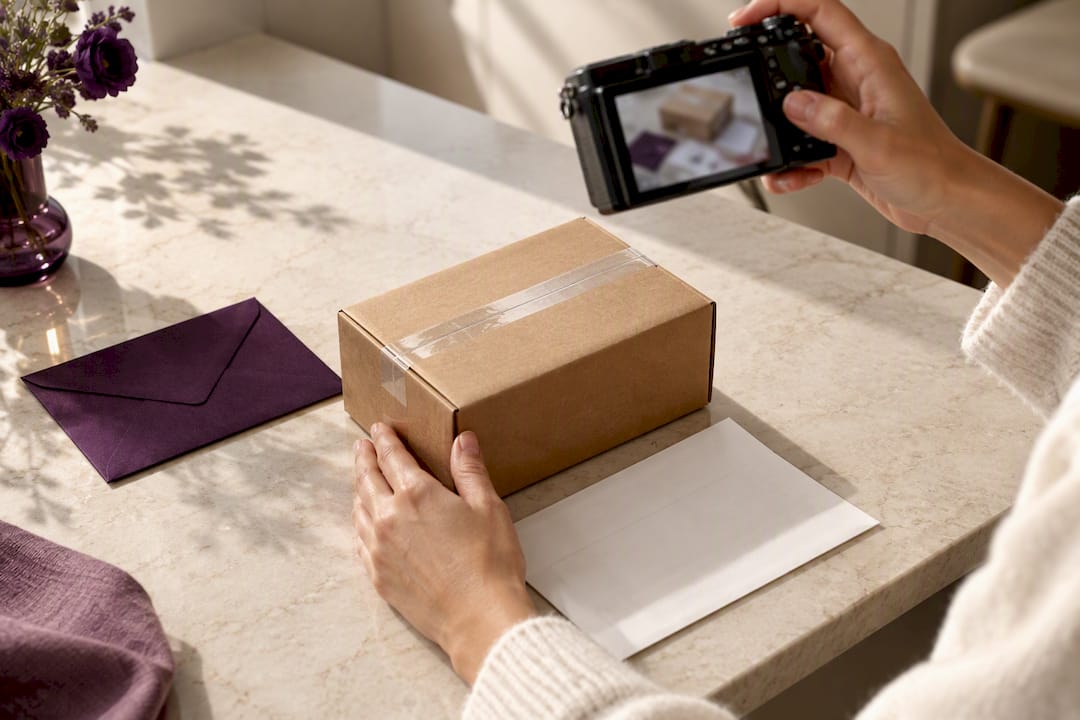
- Photograph the package the moment it arrives, before opening it, with a visible timestamp.
Clear return terms are consistently the practical protection that matters most once a purchase goes wrong, and a seller who states them plainly, rather than in five paragraphs of legal language, is usually one you can trust with a dispute later.
Pro Tip: Photograph the box, the seal, and the packing slip together before you touch the jewelry. If you ever need to dispute a charge, that timestamped sequence is your strongest evidence.
Which Red Flags Mean You Should Walk Away?
Some warning signs show up before you’ve spent a dollar. Others surface the moment you ask a real question.
- No lab report number, or a vague answer when you ask for one.
- Return policy that’s missing entirely or wrapped in confusing legal language.
- A request to pay by wire transfer, gift card, or “off-platform” instead of card.
- Photos that look heavily edited, with no natural-light or video option available.
- Contact details that don’t match across the site, or no reply to a pre-sale email within a couple of days.
A price that seems too low for the stone and metal described is often the loudest signal of all, and it’s usually the easiest one to ignore because it’s the one you want to be true.
How Meri Jaan Shows Its Own Trust Signals
Meri Jaan builds its jewelry around lab-grown moissanite, chosen specifically for the combination of visible sparkle and a lower price point than mined stones carry.
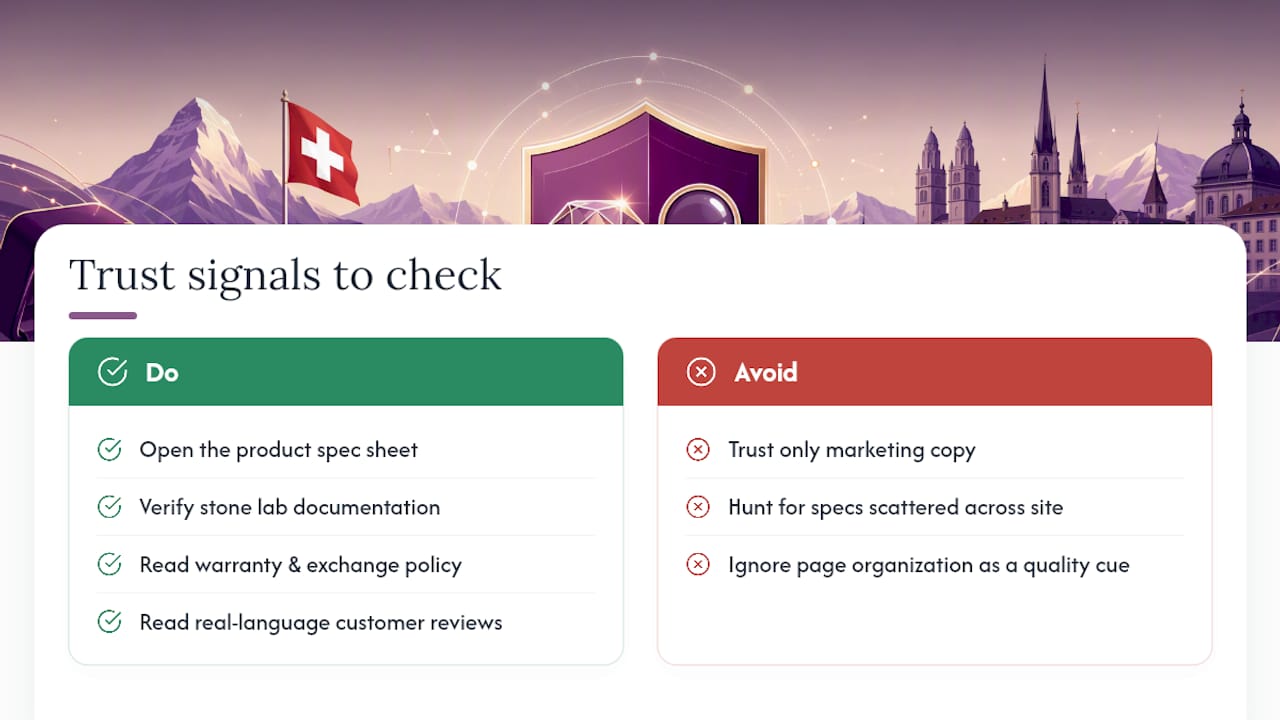
When you’re checking any brand’s site, including this one, the pages worth opening are the same every time: the product spec sheet (metal purity, stone dimensions, weight), any lab documentation for the stones used, the warranty and exchange policy, and a testimonials or reviews section that reads like real customer language rather than marketing copy. Well-organized product pages make this kind of checking faster, because specs and policy links sit where you expect them instead of scattered across a site.
For a deeper look at what “quality” should mean on a jewelry listing, our guide to what jewelry quality means for buyers walks through the same specs in more detail, and our piece on verifying sustainable jewelry certifications covers how to read ethical sourcing claims critically.
Why Verification Beats Reputation Every Time
Most buying guides tell you to “shop with trusted retailers,” which is true but nearly useless as advice. Reputation is a lagging indicator. It tells you about the last hundred transactions, not the one you’re about to make.
What actually protects you is verification you can do yourself in five minutes: a lab report number you look up independently, a return policy you read in full before checkout, and a seller who answers a direct question quickly. Conventional advice underweights that last point badly. Response time to a pre-sale question tells you more about how a seller will treat you after a problem than any star rating does.
If you take one thing from this checklist, prioritize the lab report lookup for graded stones and the return-window terms for everything else. Those two checks catch the overwhelming majority of bad outcomes people report after buying jewelry online, and they take less time than reading the reviews.
— Ammar
A Straightforward Next Step If You’re Ready to Buy
Meri Jaan sells lab-grown moissanite jewelry at a fraction of what mined-diamond pieces cost, without asking you to skip the verification habits this guide just walked through. That’s the honest pitch: apply the same checklist here that you’d apply anywhere else.
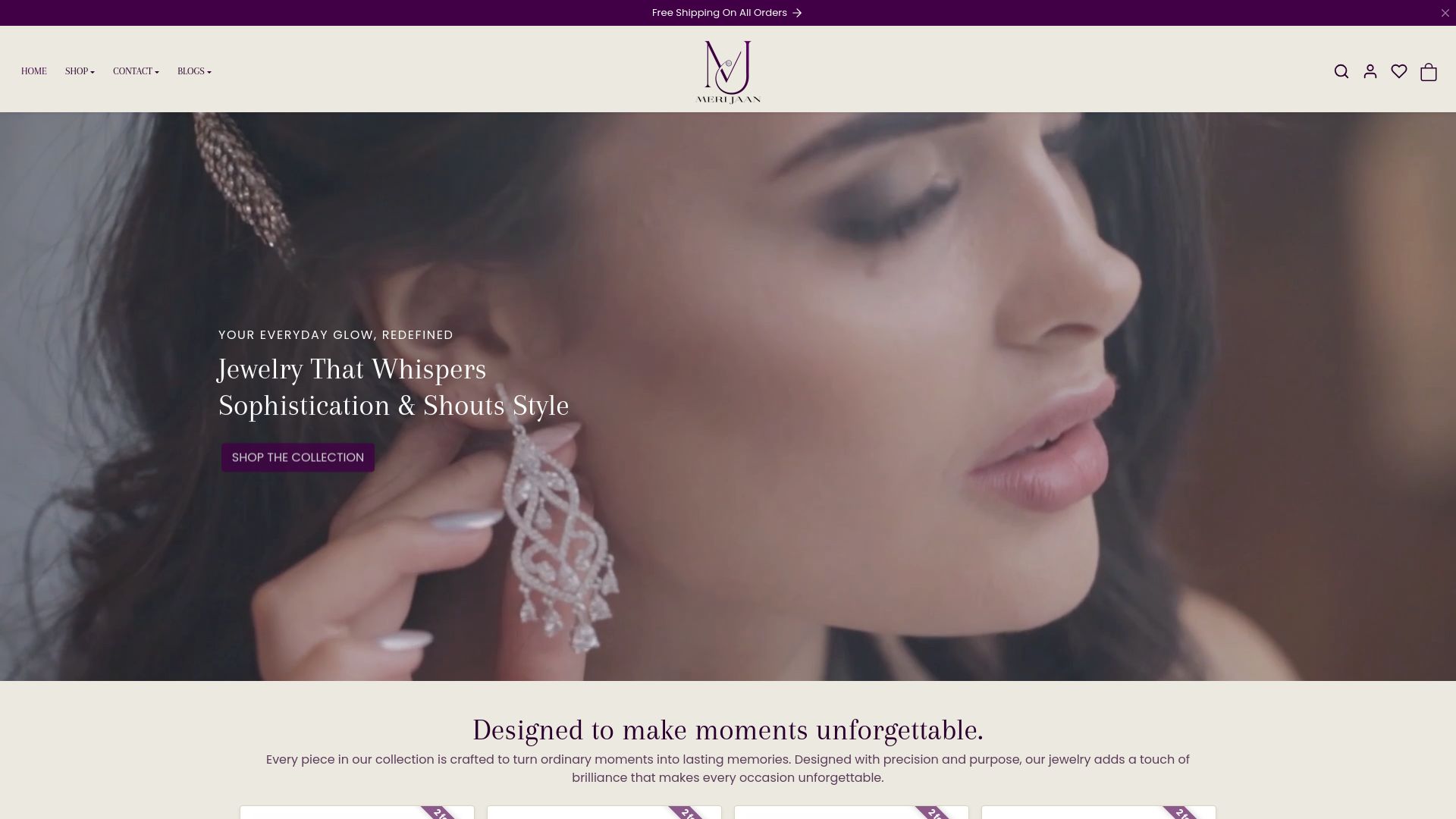
Start on the main Meri Jaan site and open a product page in a category you actually want, whether that’s the vintage rings collection or the women’s necklace collection. Check the metal stamp, the stone measurements, and the warranty terms the same way you would on any listing. If moissanite specifically is new to you, our breakdown of whether buying moissanite online is safe and legit covers the verification steps unique to that stone. Browse the collections, read the policy pages, and decide with the same checklist in hand.
Where to Verify Certifications and Buyer Protections
Check a stone’s report number directly on GIA’s site rather than trusting a screenshot. For seal verification and buyer protection terms, Trusted Shops publishes its guarantee coverage per certified shop. For a general safety checklist before you buy, this jewelry authentication guide and this cross-category guide to vetting online retailers both cover ground this article doesn’t have room for.
Sources
- GIA (Gemological Institute of America)
- Trusted Shops — Secure online shopping and buyer protection
- Buying Jewelry Online: Safety & Authentication Tips
FAQ
Which online jewelers are considered reputable?
A reputable online jeweler discloses its business identity, offers a buyer protection seal such as Trusted Shops, and backs graded stones with verifiable lab reports. Look for clear return terms and responsive customer contact as supporting signals, not just star ratings.
What is the best online jewelry store?
There’s no single universal answer, since “best” depends on budget, stone type, and design taste. What separates a strong option from a risky one is consistent: verifiable certification, transparent specs, and a return policy you can read in under a minute, which is the standard Meri Jaan holds its own product pages to.
Is buying jewelry online in Switzerland safe?
It can be, provided the seller offers verifiable documentation and clear return terms, the same standard that applies anywhere else. Swiss consumer guidance echoes the general advice to check seller reputation and return policies before paying, rather than assuming safety based on a slick website alone.
Where can I buy jewelry online?
You can buy from established retailers, marketplaces with buyer protection seals, or direct-to-consumer brands like Meri Jaan that publish their own specs and policies. Wherever you shop, run the same checks: lab report numbers, return windows, and seller contactability, before you enter payment details.
How do I know if a lab report is real?
Take the report number from the seller and search it directly on the issuing lab’s own website, such as GIA’s report check tool, rather than trusting a PDF or screenshot sent by the seller. If the number doesn’t match the stone’s stated measurements and grade, the report is not reliable.

